 Susan Taylor
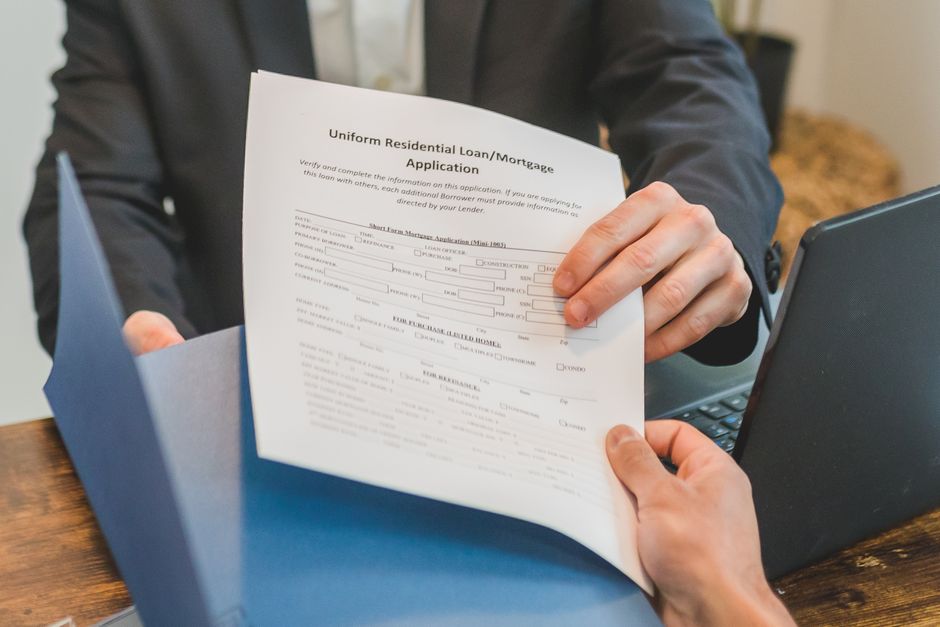
If you’ve ever sat at a closing table and watched a stack of documents slide across to you, you know the feeling: pages blur together, numbers swim, and somewhere in the middle of it all someone mentions “title insurance” like it’s an obvious line item you’ve already thought through. Most people haven’t. They nod, sign, and move on. Then, years later, some of them get a letter they never expected, from a creditor or an heir or a municipality, claiming some legal right to the property they thought they owned outright. That’s the moment title insurance either saves them or doesn’t.
What Title Insurance Actually Is (And What It’s Not)
Let’s start with the honest version, not the glossy one.
Title insurance is a policy that protects against defects in the ownership history of a property. When you buy a home, you’re not just buying the building and the land. You’re buying the legal right to own it, and that right has a history. Previous owners, liens, unpaid taxes, clerical errors in courthouse records, forged signatures on old deeds, undisclosed heirs, even boundary disputes that were never resolved. Any of these can come back and threaten your ownership long after the sale closes.
Unlike car or health insurance, which protect you against things that might happen in the future, title insurance protects you against things that already happened, things buried in the past that nobody caught during the transaction.
Two distinct policies exist, and most borrowers only hear about one.
A lender’s title insurance policy protects the mortgage company. If you’re borrowing, your lender will almost certainly require this. It covers their financial interest in the property, not yours. It expires when you pay off the loan.
An owner’s title insurance policy protects you. It covers your equity and your right to stay in your home. It lasts as long as you or your heirs own the property. And here’s the critical part: it’s optional in most states, which is why some buyers skip it and hope for the best.
That’s a bet I’ve watched people regret.
Why Title Problems Are More Common Than You’d Think
You might think title problems are rare. They’re not. The Federal Housing Finance Agency (FHFA) has studied title defect rates and consistently found that issues ranging from minor clerical errors to serious ownership disputes appear in a meaningful percentage of real estate transactions.
In practice, the most common culprits are:
- Unpaid liens: A contractor who wasn’t paid by a previous owner can file a mechanic’s lien against the property. That lien travels with the property, not the person.
- Errors in public records: Misfiled documents, misspelled names, incorrect legal descriptions. These seem small until they’re not.
- Boundary and survey disputes: A fence that’s been in the wrong place for thirty years doesn’t make it legally right.
- Probate issues: A previous owner died and their estate was handled improperly. An overlooked heir surfaces years later with a legitimate legal claim.
- Fraudulent deeds: This one’s growing. Deed fraud, where someone forges a property transfer without the owner’s knowledge, has increased as public records moved online and became easier to exploit.
A title search before closing should catch many of these. But title searches aren’t perfect. They depend on the quality of public records and the thoroughness of the searcher. Insurance covers what the search misses.
What Owner’s Title Insurance Actually Covers
| Policy Type | Protects | Coverage Duration | Covers Loan Payoff | Typical Cost |
|---|---|---|---|---|
| Lender’s Title Insurance | Mortgage lender’s financial interest | Until loan is paid off | Yes | Generally cheaper |
| Owner’s Title Insurance | Property owner’s equity and ownership rights | As long as owner or heirs own property | No | Higher premium; simultaneous issue discount available |
You’re buying legal defense and financial protection, bundled together.
If someone challenges your ownership after closing, owner’s title insurance typically covers:
- Attorney fees and court costs to defend your title
- Financial losses if you lose the legal dispute and have to surrender part or all of the property
- Costs related to resolving liens, errors in deeds, or undiscovered encumbrances
- Losses from forgery, fraud, or impersonation in the title chain
What it generally doesn’t cover:
- Problems that arose after the policy was issued
- Issues you knew about before closing and didn’t disclose
- Eminent domain (government seizure)
- Environmental hazards or zoning violations (though some enhanced policies offer broader protection, so always read the actual policy language)
Title insurance handles the past. For future issues, you need homeowner’s insurance.
How Much It Costs and Who Pays
Title insurance is a one-time premium, paid at closing. There’s no annual renewal. The cost varies by state, by purchase price, and by the title company, and I can’t quote you a universal figure because the range is genuinely wide depending on where you’re buying and what coverage level you choose.
Lender’s title insurance is generally cheaper than owner’s title insurance, because it only covers the loan amount, not your full equity. Many title companies offer a simultaneous issue discount if you purchase both policies at closing, so it’s worth asking specifically about that.
Who pays is often negotiable. In some states, the seller customarily covers the owner’s policy. In others, the buyer covers everything. Your real estate contract should spell this out, but don’t assume the customs in one state apply where you’re buying. Ask.
How to Compare Title Insurance Options
You have more choices here than most loan officers let on. Title companies aren’t interchangeable, and the fees aren’t fixed. In many states, you have the right to shop for your own title company independently of what your lender or real estate agent recommends.
Here’s a practical approach:
Step 1: Get an itemized quote from at least two title companies. Ask for a complete fee sheet, not just the insurance premium. Title companies bundle various closing fees, and the total picture matters.
Step 2: Ask what type of policy is included. There’s a standard ALTA policy and an enhanced ALTA policy. The enhanced version typically covers additional risks like encroachments, post-policy forgery, and certain building permit violations. It costs more, but for older homes or properties with complicated histories, it can be worth it.
Step 3: Ask specifically about the simultaneous issue discount. If you’re buying both lender’s and owner’s policies from the same company, you should pay less for the owner’s policy.
Step 4: Check state regulations. Some states regulate title insurance premiums, meaning the price is set by law and shopping won’t change the base cost. Knowing which situation you’re in tells you where to focus your comparison effort.
Step 5: Read the exclusions section of the policy before you sign. Almost nobody reads this. The exclusions tell you exactly what won’t be covered. If something specific concerns you about the property’s history, ask whether that scenario would be covered.
If you want to go deeper on the mechanics of closing costs and how title fees fit into the bigger picture, a solid home-buying guide can help you build a complete framework before you sit down at that table. (Affiliate disclosure: this site may earn a commission from qualifying Amazon purchases.) Check out home-buying guides and real estate reference books on Amazon to find something that matches where you are in the process.
Title insurance isn’t the most exciting part of buying a home. But it’s one of the few things at the closing table designed entirely to protect you, and understanding what it does, what it doesn’t do, and how to evaluate your options puts you in a far better position than most buyers ever reach. You’ve already done that work by reading this far.
Sources & References
- CFPB, What is title insurance, Explains lender’s vs owner’s policies and what title insurance covers
- HUD, Buying a Home, Federal guidance on closing costs including title insurance
- ALTA, Homeowner Resources, Industry association explains title defects and policy types
Recommended Resources
Disclosure: As an Amazon Associate, we earn a small commission from qualifying purchases at no extra cost to you. We only recommend products that genuinely support the topics covered in this article.
- First-Time Home Buyer: The Complete Playbook (~$18), The #1 Amazon bestseller in homebuying, covers down payment strategies, mortgage pre-approval, and avoiding rookie mistakes.
- 100 Questions Every First-Time Home Buyer Should Ask (~$17), Nearly a million copies sold, covers every question to ask your lender, agent, and inspector before signing anything.