 Susan Taylor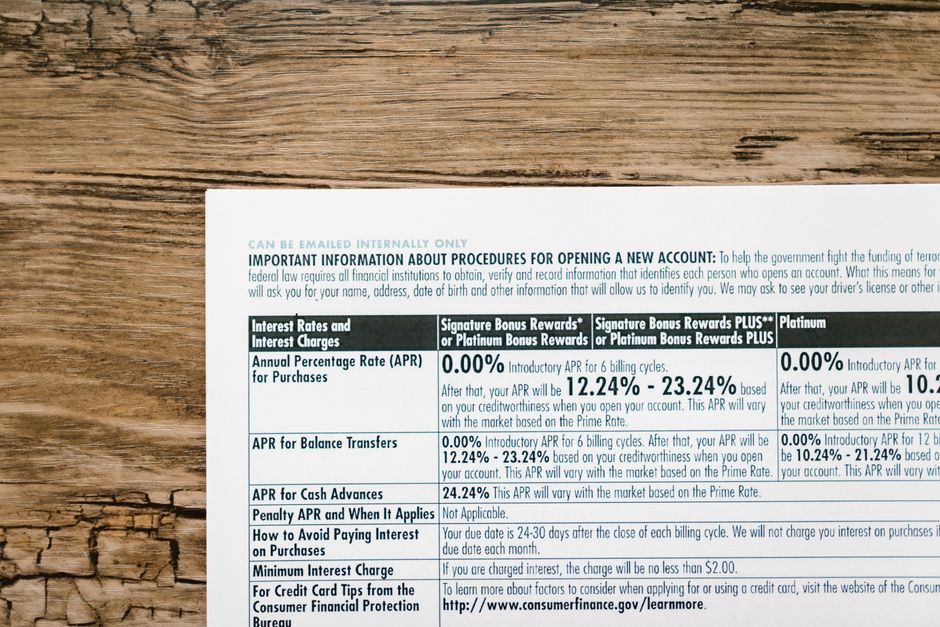
30-year fixed rates hit 6.6% on June 15, 2026. A 5-year ARM was sitting at 5.76%. That’s 84 basis points cheaper, which works out to roughly $150 a month on a typical purchase. ARM applications surged 113% year-over-year. The math looks good on paper.
What you won’t hear from most loan officers is when that math breaks, and what actually happens to your payment when it does.
Why Rates Are Where They Are, and Why That Matters for ARMs
The U.S.-Iran conflict started pushing oil prices up in early 2026. That showed up in May’s CPI print: 4.2%, the highest inflation reading in over three years. Mortgage rates don’t follow the Fed’s benchmark alone. They track the 10-year Treasury yield, which tracks inflation expectations. Those expectations are climbing. The 30-year fixed went from 6.09% (the low in 2026) to 6.6% in four months.
HousingWire analysts had already pegged 2026’s base rate range at 5.75% to 6.75%. But their June 8 piece flags something most borrowers miss: if the Iran conflict stays unresolved through the midterms, there’s real upside risk of another 0.375% to 0.435% above that ceiling. That’s not doomsday talk. That’s their baseline risk assessment. Anyone betting on rates dropping to refinance out of an ARM needs to know that the macro situation keeping rates up isn’t going away.
What an ARM Actually Does (The Part Loan Officers Rush Past)
Most ARMs available right now are 5/1 or 7/1 structures. You lock a fixed rate for five or seven years, then the loan reprices annually. The repricing ties to a benchmark index, usually SOFR, plus a margin that gets locked in at closing and never changes. The index moves with the market.
Two caps control everything. The periodic cap (usually 2%) limits how much your rate jumps in a single year. The lifetime cap, commonly 5% above your starting rate, is where the real pain lives. On a 5.76% ARM, that ceiling hits 10.76%. This isn’t theoretical. It’s printed in the note you’ll sign.
The “refinance later” assumption requires three things to happen at once: rates fall meaningfully, your credit and income stay solid, and you have enough equity in the home. In 2026, none of those conditions are certain.
Who Actually Benefits From an ARM Right Now
Before you take the lower rate, ask yourself hard questions about whether you actually fit the profile.
An ARM makes sense if you’re selling within five years. You exit before rates adjust, so the risk never touches you. Same applies if you’re a dual-income household expecting a big income bump, buying a starter you’ll outgrow, or in a market where you can reasonably expect home equity growth to support a refinance.
You also need to stomach the worst case. Run your numbers at 10.76% before signing anything. If that monthly payment would crush your budget, you’re carrying more risk than you realize.
Here’s where ARMs get dangerous: the buyer who takes one because they can’t qualify for the fixed rate. That’s not a strategy. That’s someone stretched too thin using a teaser rate to mask an affordability problem. I watched this pattern blow up before 2008. The product rules changed after the crisis, but the core math of overextension never does.
The “Buy Now, Refinance Later” Bet
MBA chief economist Mike Fratantoni noted that mortgage applications rebounded 10.8% for the week ending June 5, with purchase apps up 7%. Some of that’s seasonal. Some is buyers rushing to close before rates climb further. The “buy now, refinance later” logic goes like this: lock your purchase price today, take the ARM, and refinance into a fixed rate once the Fed starts cutting.
Timing’s the killer. The Fed’s June 16-17 meeting happened with 4.2% inflation on the table. Their target is 2%. They’re not cutting in that environment. Most forecasters don’t see relief until late 2026 at the earliest, and HousingWire is flagging Iran-risk that could push it further.
A 5-year ARM bought in summer 2026 adjusts in summer 2031. If rates are lower by then, you’re fine. If they’re not, you’re at whatever the index plus margin produces, capped at 10.76%. Five years sounds long. It’s one refinancing window, and it closes fast if the market doesn’t cooperate.
How to Read the Actual ARM Document
| ARM Structure | Initial Cap | Periodic Cap | Lifetime Cap | Borrower Impact |
|---|---|---|---|---|
| 5/2/5 | 5% | 2% per year | 5% above start rate | Higher initial jump, lower ongoing risk |
| 2/2/5 | 2% | 2% per year | 5% above start rate | Lower initial jump, better for first adjustment |
| Example: 5.76% start | - | - | 10.76% ceiling | Maximum payment risk at lifetime cap |
Ask your lender for the ARM Disclosure and the loan note before underwriting gets heavy. Hunt for four numbers: the initial rate, the index, the margin, and the caps (written as initial/periodic/lifetime, like 2/2/5).
A 5/2/5 cap structure means: maximum 5% jump at first adjustment, then 2% each year after, 5% lifetime ceiling above your start rate. A 2/2/5 is better for borrowers at that first adjustment. Lenders don’t volunteer this breakdown. Ask point-blank.
Also ask what the index is today and what your rate would be if the loan adjusted right now. That tells you whether the teaser rate is genuinely cheap or whether the margin is baked high enough to wipe out your savings at the first reset.
The ARM-to-fixed spread is real today. For the right borrower, it’s worth considering. But “the right borrower” is a specific person, and the current macro picture, persistent inflation, an unresolved geopolitical mess, a Fed with no room to cut quickly, makes that refinance window shakier than a spreadsheet suggests. Talk to an independent mortgage advisor before you commit, not just the loan officer with a closing date in mind.
Sources
- Today’s Mortgage Rates Hold Steady: June 15, 2026 (June 15, 2026)
- Rising Mortgage Rates Cause Surge in Demand for Riskier Loans (May 20, 2026)
- Why Some Homebuyers Are Turning to Adjustable-Rate Mortgages Again (April 17, 2026)
- Continued Iran Conflict Raises Mortgage Rate Risk Into Late 2026 (June 8, 2026)
- How Much Will Mortgage Rates Fall With the Iran Deal and Fed Week? (June 15, 2026)
- Why Adjustable-Rate Mortgages Are Returning in 2026 (Late May 2026)
Recommended Resources
Disclosure: As an Amazon Associate, we earn a small commission from qualifying purchases at no extra cost to you. We only recommend products that genuinely support the topics covered in this article.
- First-Time Home Buyer: The Complete Playbook (~$18), The #1 Amazon bestseller in homebuying, covers down payment strategies, mortgage pre-approval, and avoiding rookie mistakes.
- 100 Questions Every First-Time Home Buyer Should Ask (~$17), Nearly a million copies sold, covers every question to ask your lender, agent, and inspector before signing anything.