 Ethan Chen
If you’ve been watching the housing market and feeling like the goalposts keep moving, you’re not imagining it. Prices just hit a new record. Rates just jumped again. And if you’re sitting there wondering whether to buy now, wait for rates to drop, or just give up and keep renting, that’s exactly where a lot of people are right now. Let’s talk through what’s actually happening, what it costs in real numbers, and what you should be thinking about before you make any moves.
The Numbers Are Genuinely Tough Right Now
The median existing-home price hit $440,600 in June 2026, an all-time high, according to the NAR’s July 9 report. That’s the 36th straight month of year-over-year price gains. Thirty-six. That’s not a blip. That’s a sustained, grinding climb that has outpaced what most salaries have done over the same period.
At the same time, the 30-year fixed rate climbed to 6.716% as of July 10, up from 6.43% just eight days earlier. That spike isn’t random. Renewed U.S.-Iran military strikes over the July 4 weekend rattled oil markets and reignited inflation fears, and the Fed has been signaling it may actually raise rates, not cut them, later this year. CPI hit 4.2% in May, the highest since 2023. The July 28-29 FOMC meeting is coming fast, and nobody is betting confidently on relief.
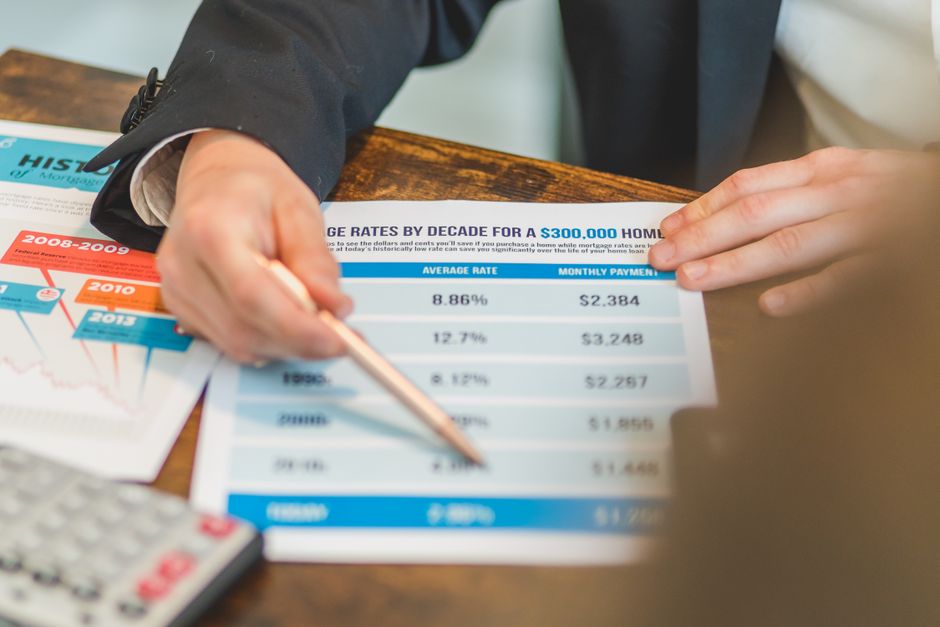
Here’s what that rate move means in plain dollars. Say you’re buying at the median price with 10% down, so you’re financing $396,540.
| Scenario | Rate | Monthly Principal & Interest |
|---|---|---|
| July 2 rate | 6.43% | ~$2,479 |
| July 10 rate | 6.716% | ~$2,546 |
| If Fed hikes (est. 7.0%) | 7.00% | ~$2,638 |
That $67-per-month difference between July 2 and July 10 doesn’t sound catastrophic. But over 30 years, that’s over $24,000 extra. And if rates push toward 7%, you’re looking at nearly $160 more per month than you would have paid just eight days ago on the cheap end of this window.
Why Inventory Isn’t Going to Save You (Yet)
Helpful resource: Mortgages for Dummies by Eric Tyson is a top-rated option for this. (As an Amazon Associate this site earns from qualifying purchases.)
You might be wondering if more homes hitting the market could offset the price pressure. The short answer is: not at current levels.
Housing inventory stood at just 1.56 million units at the end of June, only 1.3% above last year. NAR Chief Economist Lawrence Yun has been explicit about what’s needed: a 30 to 40% increase in inventory to bring the market into balance. We’re nowhere near that. What we have now is a market where sellers hold nearly all the cards, prices keep climbing because there’s simply not enough supply, and buyers are squeezed from both ends.
Existing-home sales actually fell 2.4% month-over-month in June to a 4.09 million annual rate. That sounds like the market cooling, and in a sense it is. But here’s what matters: the slowdown isn’t because prices are falling. It’s because buyers are tapping out. People who can afford to wait are waiting. That leaves the buyers who can’t wait, or who are relocating for work or family reasons, competing in a market with limited options and no pricing relief in sight.
What First-Time Buyers Are Actually Facing
Interest Rate Buy Downs - How It Works And Why You Should Get It (First Time Home Buyers) · Javier Vidana on YouTube
First-time buyers made up 33% of June purchases, up from 30% a year ago, but still well below the historical norm of 40%, per NAR’s June 2026 Confidence Index Survey. That gap tells you something important. Repeat buyers, people who already have equity from a previous home, still have a big structural advantage. They can roll gains from their last sale into a larger down payment and absorb higher rates more easily.
If you’re buying for the first time, you don’t have that cushion. And at $440,600 median, a 3.5% FHA down payment is $15,421, before you add closing costs, which typically run another 2 to 5% of the loan amount. We’re talking about needing $25,000 to $35,000 in cash just to get to the table, and that’s before the moving truck.
Here’s what I tell people in this situation: don’t let the headlines paralyze you completely. Yes, the market is hard. But renting forever isn’t automatically the safer financial choice either, especially if your rent is rising and you’d be building equity otherwise. The question isn’t whether now is a perfect time to buy. It never is. The question is whether you’re personally in a stable enough position to absorb some rate risk and price uncertainty over the long haul.
Should You Wait for Rates to Drop?
This is the question I hear most. And the honest answer is: nobody knows when rates will meaningfully drop, and betting your timeline on a Fed pivot that may not come is genuinely risky.
The Fed meeting on July 28-29 could bring a hike, not the cut many buyers were hoping for earlier this year. Analysts at CBS News and LendingTree have both noted that the May inflation spike makes a near-term rate cut unlikely. If you lock in now and rates drop later, you can refinance (though that costs money and paperwork). If you wait for rates to drop and prices keep climbing, you may end up paying more even with a lower rate, because the loan balance itself will be bigger.
That said, if you’re stretching your budget to its absolute edge right now, at these rates and prices, that’s a real warning sign. A modest income disruption, an unexpected repair, anything could put you underwater fast. Buying at the edge is always the scenario that ends up in a lender’s office trying to figure out options nobody loves.
What to Actually Do Before You Decide
Get a real pre-approval, not just a pre-qualification, so you know your actual ceiling and monthly payment at today’s rates. Then stress-test that number: what happens if your rate adjusts (relevant if you’re looking at ARMs), or if your income dips 15%? Talk to a HUD-approved housing counselor, many of whom offer free consultations, especially for first-time buyers. Check state and local down payment assistance programs, which vary widely and many people miss entirely.
And if you’re going to lock a rate, understand the lock period. A 30-day lock may not be enough in a slow-closing market. A 60-day lock costs a little more but buys you real protection.
The market right now is genuinely difficult, and anyone who tells you there’s an obvious right answer is oversimplifying your situation. A licensed mortgage professional and a good buyer’s agent who actually explains the contracts can make a real difference. The numbers above are real, but your specific income, debt load, local market, and long-term plans all matter enormously in ways this article can’t account for.
Sources
- NAR Existing-Home Sales Report Shows 2.4% Decrease in June (July 9, 2026)
- Today’s Mortgage Rates Hold Steady: July 10, 2026 – U.S. News (July 10, 2026)
- Mortgage Rate Trends and Predictions for July 9–15, 2026 – Bankrate (July 8, 2026)
- U.S. Home Prices Hit All-Time High as Sales Slow – Spectrum News (July 10, 2026)
- Will the July Inflation Report Impact Mortgage Interest Rates? – CBS News (July 10, 2026)
- Mortgage Rate Predictions for July 2026 – LendingTree (July 2026)
This article is for educational purposes only and does not constitute financial or mortgage advice. Mortgage rates change daily and vary by lender, loan type, credit profile, and property details. Consult a HUD-approved housing counselor (find one at hud.gov) or licensed mortgage professional for guidance specific to your financial situation.
Recommended Resources
Disclosure: As an Amazon Associate, we earn a small commission from qualifying purchases at no extra cost to you. We only recommend products that genuinely support the topics covered in this article.
- First-Time Home Buyer: The Complete Playbook (~$18), The #1 Amazon bestseller in homebuying, covers down payment strategies, mortgage pre-approval, and avoiding rookie mistakes.
- 100 Questions Every First-Time Home Buyer Should Ask (~$17), Nearly a million copies sold, covers every question to ask your lender, agent, and inspector before signing anything.