 Robert Kim
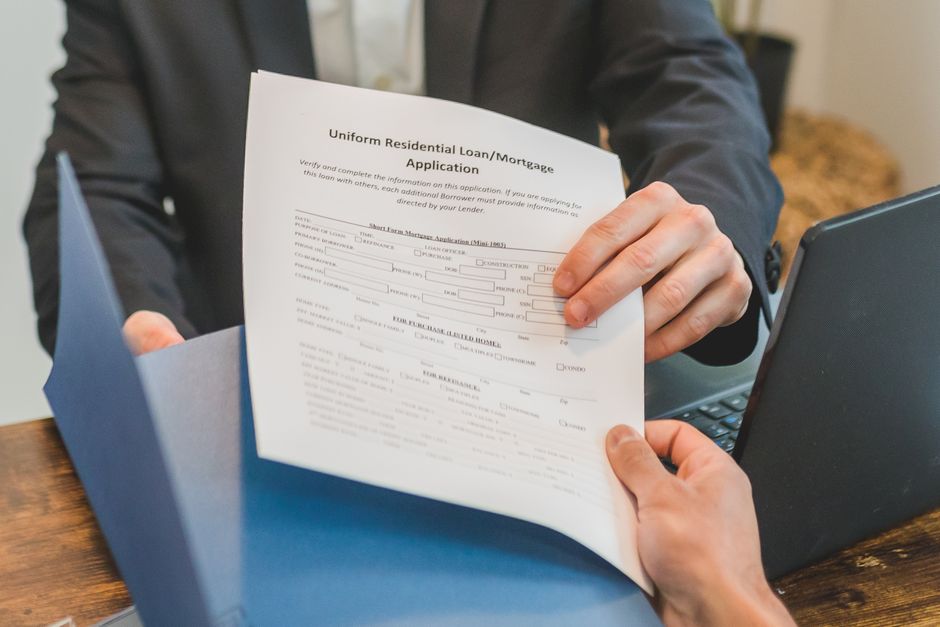
You’re sitting at the closing table, flipping through a stack of documents, and you spot a line item you don’t recognize: “PMI premium, $187/month.” Nobody mentioned this during your pre-approval call. Your loan officer brushes past it like it’s nothing. But over the next seven years? That’s more than $15,000 leaving your pocket for a product that protects the lender, not you. That’s the reality of private mortgage insurance, and it catches buyers off guard every single day.
What PMI Actually Is (and Who It Really Protects)
Let’s clear up the biggest misconception right away. PMI does not protect you if you can’t make your mortgage payments. It protects your lender.
If you default on your loan, the PMI provider reimburses the lender for a portion of their loss. You still lose the house. Your credit takes a serious hit. You walk away with nothing. The insurance policy you’re paying for every month? It has zero benefit to you in that scenario.
So why does PMI exist at all? Lenders see loans with less than 20% down as higher risk. The data backs this up: borrowers with less equity in the game default at higher rates, especially when markets turn and equity evaporates overnight. PMI lets lenders transfer that risk to an insurance company instead of absorbing it themselves. And they pass the cost directly to you.
PMI typically applies to conventional loans. FHA loans have their own version called mortgage insurance premium (MIP). VA and USDA loans use different fee structures entirely. If you’re taking out a conventional loan and putting down less than 20%, you’re almost certainly going to carry PMI.
How Much PMI Costs and What Drives the Price
PMI isn’t one flat rate. It’s calculated based on several variables, and the difference between the cheapest and most expensive scenarios is substantial.
Your loan-to-value ratio (LTV) and credit score are the two big drivers. Lenders and PMI providers use these together to determine your rate. LTV is simple math: loan amount divided by the home’s appraised value. Put down 10%, and your LTV is 90%. Put down 5%, and your LTV is 95%.
Annual PMI premiums typically run somewhere between 0.2% and 2% of your original loan amount, though your actual rate depends on your specific lender, credit profile, and the PMI provider they choose. On a $350,000 loan at 0.5% annually, you’re looking at $1,750 per year, or about $146 a month. Jump to 1.5% and that same loan costs $5,250 per year. That’s $437 monthly stacked on top of principal, interest, taxes, and homeowners insurance.
Borrowers with credit scores below 680 putting down only 5% sit at the expensive end of that range. A borrower with a 760+ score putting down 15% pays considerably less. The CFPB’s owning a home resources include tools that show how your credit score affects loan costs across the board, including PMI. Spend some time with them before you start shopping.
Here’s something most borrowers miss: PMI rates vary between lenders because they use different PMI providers, and those providers file their own rate tables. Shop one lender, you see one PMI rate. Shop three or four lenders, you might find meaningfully different monthly costs.
The Four Types of PMI You Might Encounter
Interest Rate Buy Downs - How It Works And Why You Should Get It (First Time Home Buyers) · Javier Vidana on YouTube
| PMI Type | How You Pay | Cancelable | Best For | Key Trade-off |
|---|---|---|---|---|
| Borrower-paid PMI (BPMI) | Monthly premium added to mortgage payment | Yes, at 20% equity | Borrowers planning to stay 5+ years | Higher monthly payment |
| Lender-paid PMI (LPMI) | Rolled into higher interest rate | No | Short-term holders (under 5 years) | Permanent rate increase for life of loan |
| Single-premium PMI | Full cost paid upfront at closing | Not refundable | Borrowers with cash to deploy | Loss of prepaid insurance if you sell/refinance early |
| Split-premium PMI | Partial upfront + smaller monthly premium | Yes | Borrowers with some cash but limited monthly budget | Moderate monthly payment with upfront cost |
PMI doesn’t come in just one flavor. Your loan officer may offer options, or they may default to one type without explaining the others exist.
Borrower-paid PMI (BPMI): The standard structure. You pay a monthly premium added to your mortgage payment. It’s cancelable once you hit 20% equity, making it the most flexible option for borrowers who plan to stay long enough to build real equity.
Lender-paid PMI (LPMI): The lender pays the PMI premium upfront. In exchange, you get a higher interest rate on the loan. The name “lender-paid” sounds generous. It isn’t. You’re paying it through a permanent rate increase that lasts the life of the loan. You can’t cancel it like BPMI. Stay in your home longer than five or six years, and LPMI often costs you more in total.
Single-premium PMI: You pay the entire PMI cost upfront at closing, either in cash or rolled into the loan. The monthly PMI line item disappears, which appeals to a lot of people. But sell or refinance within a few years and you’ve prepaid insurance you no longer need. No refund.
Split-premium PMI: A hybrid. You pay part upfront and a smaller monthly premium. Makes sense if you have some cash available but want to shrink the ongoing monthly hit.
Most borrowers fall into BPMI without realizing alternatives exist. Ask your loan officer to quote all four structures and show total cost under each scenario based on how long you actually plan to hold the loan.
How to Get PMI Removed: The Rules That Actually Matter
The Homeowners Protection Act of 1998 is the federal law that governs PMI cancellation on conventional loans. Most borrowers have never heard of it, and that ignorance costs them real money.
Here’s how cancellation works:
Step 1: Automatic cancellation at 78% LTV. By law, your lender must automatically cancel BPMI when your loan balance reaches 78% of the original purchase price. You don’t have to ask. But two details matter: it’s 78%, not 80%, and it’s based on the original purchase value, not current market value.
Step 2: Request cancellation at 80% LTV. You can request cancellation in writing when your balance hits 80% of the original value. Lenders can require good payment history and proof the property hasn’t declined in value, but they can’t simply refuse a legitimate request.
Step 3: Cancellation based on appreciated value. This is where things get interesting. If your home appreciated significantly, you might reach 80% LTV of current value well before scheduled amortization gets you there. Most lenders allow this, but they’ll require a formal appraisal (your expense, typically $400 to $600) and you usually need to have held the loan at least two years. Some lenders demand five. Read your loan documents carefully.
Step 4: Refinancing. Built enough equity through appreciation or principal paydown to qualify for a new loan at 80% LTV or below? Refinancing kills PMI. Whether the math works depends on the rate you’d qualify for, your current rate, closing costs, and how long you’ll stay. Run the numbers carefully before assuming a refinance makes sense.
Freddie Mac’s My Home resources walk through the equity-building process in plain language and work especially well for first-time buyers trying to think long-term about homeownership.
Alternatives to Paying PMI
PMI isn’t inevitable. If the idea of paying for coverage that doesn’t benefit you makes your skin crawl, here are the realistic alternatives.
Save to 20% down. The cleanest solution. No PMI, lower rate, lower monthly payment, more equity immediately. The tradeoff is time. Depending on your market and savings rate, this could mean renting for another two to four years. Not always a bad choice, especially in flat or declining markets.
Piggyback loan (80-10-10 structure). First mortgage for 80% of the purchase price, second mortgage (usually a home equity line or fixed second) for 10%, you put down 10% yourself. The first mortgage carries no PMI because LTV is 80%. You pay interest on the second loan instead. This can beat PMI depending on that second loan’s rate, but it’s more complex and the second loan might have a variable rate. I’ve seen clients make this work, but it requires careful math.
Down payment assistance programs. Many state housing finance agencies offer programs that can help you reach 20% down or reduce your effective LTV. They vary dramatically by state, income limits, and property location. Your loan officer should know what’s available in your area, but do your own research too. Not every loan officer stays current on these programs.
VA and USDA loans. Eligible for a VA loan? Active duty, veteran, or qualifying surviving spouse? You can purchase with zero down and zero PMI. USDA loans offer similar benefits in eligible rural areas. These programs are genuinely underused. If you qualify, you should almost certainly be using one.
Before talking to a lender, work through how all these options compare. A home buying financial planning workbook can help you organize the numbers before your first conversation. (This site may earn a commission on qualifying purchases.)
This article is for educational purposes only and does not constitute financial or mortgage advice. Mortgage rates change daily and vary by lender, loan type, credit profile, and property details. Consult a HUD-approved housing counselor (find one at hud.gov) or licensed mortgage professional for guidance specific to your financial situation.
Sources
- owning a home resources
- My Home resources
- The Book on Rental Property Investing by Brandon Turner
- The Millionaire Real Estate Investor by Gary Keller
- The Total Money Makeover by Dave Ramsey
Disclosure: As an Amazon Associate, we earn a small commission from qualifying purchases at no extra cost to you. We only recommend products that genuinely support the topics covered in this article.
- First-Time Home Buyer: The Complete Playbook (~$18), The #1 Amazon bestseller in homebuying, covers down payment strategies, mortgage pre-approval, and avoiding rookie mistakes.
- 100 Questions Every First-Time Home Buyer Should Ask (~$17), Nearly a million copies sold, covers every question to ask your lender, agent, and inspector before signing anything.
Recommended Resources
Disclosure: As an Amazon Associate, we earn a small commission from qualifying purchases at no extra cost to you. We only recommend products that genuinely support the topics covered in this article.
- First-Time Home Buyer: The Complete Playbook (~$18), The #1 Amazon bestseller in homebuying, covers down payment strategies, mortgage pre-approval, and avoiding rookie mistakes.
- 100 Questions Every First-Time Home Buyer Should Ask (~$17), Nearly a million copies sold, covers every question to ask your lender, agent, and inspector before signing anything.