 Robert Kim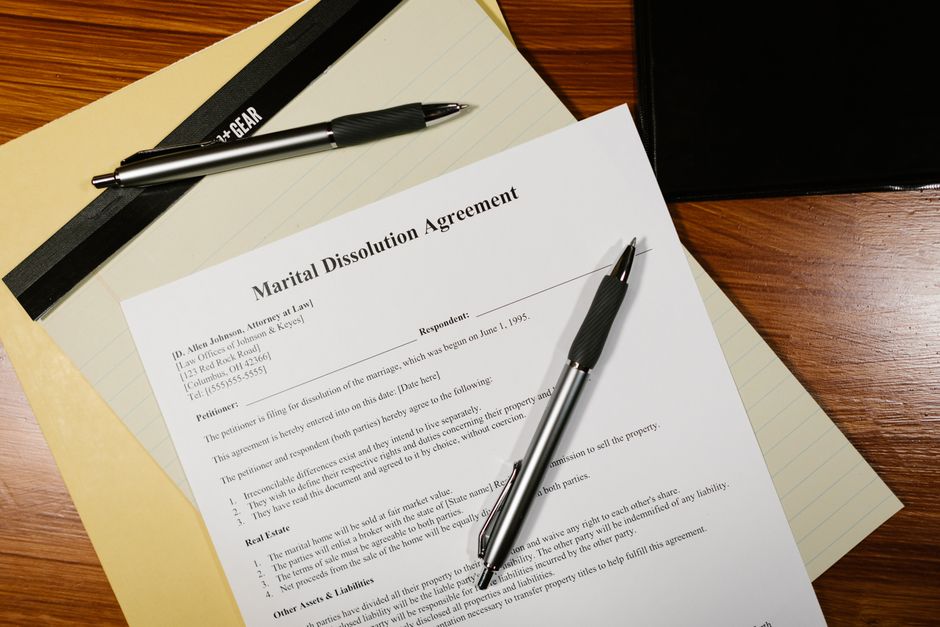
Most people going through a divorce assume the hard part is dividing the furniture. Then they find out one of them wants to keep the house, and suddenly there’s a whole other nightmare to untangle.
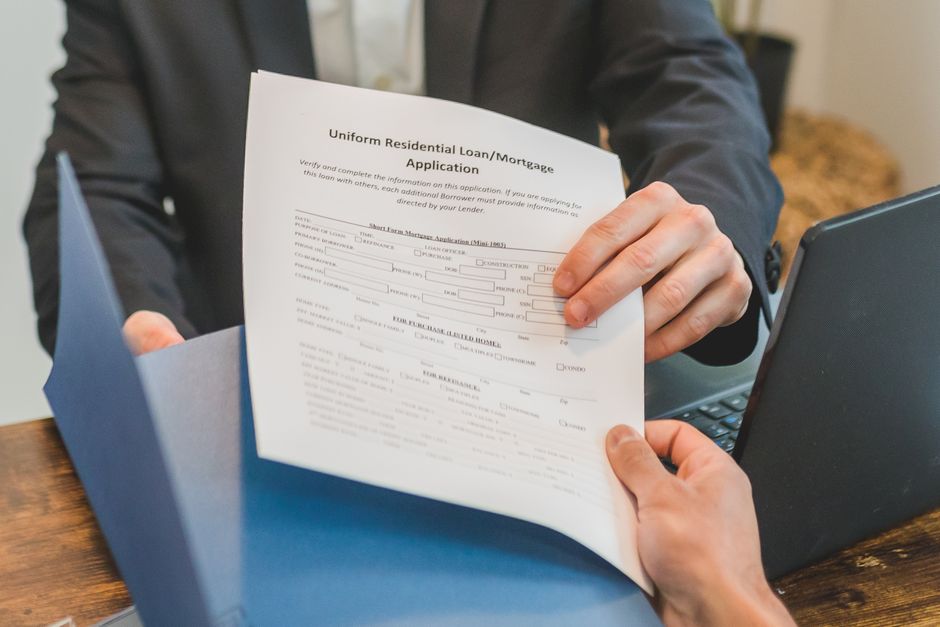
I’ll be honest: when I was underwriting mortgages, divorce buyouts were the files I dreaded most. Not because they were complicated on paper, but because by the time they hit my desk, the borrower was usually in over their head, had already promised their ex something they couldn’t deliver, and had maybe 30 days before things got very messy. I saw more deals fall apart over misunderstandings about what a buyout actually requires than almost any other scenario.
So let me give you the real story.
What a divorce buyout actually means
A mortgage divorce buyout is when one spouse buys out the other’s share of the home equity so they can keep the house. Simple concept. Complicated execution.
Here’s the part that trips almost everyone up: keeping the house is not the same as keeping the mortgage. If your name is on the loan together, both of you are legally responsible for that debt. Your divorce decree does not change that. I cannot stress this enough. I had a borrower, James, who thought he was off the hook because the settlement said his wife would take over the mortgage payments. Three years later, her payments were late and it was tanking his credit too. The lender doesn’t care what your divorce agreement says.
So a proper buyout means two things happen: you refinance into a new loan in just your name (removing your ex from the mortgage), and you pay them their share of the equity in the process. One transaction, two outcomes.
How the numbers actually work
Helpful resource: Home Buying Kit for Dummies is a top-rated option for this. (As an Amazon Associate this site earns from qualifying purchases.)
Before you do anything, you need to know the home’s current market value and how much equity you’re splitting. Equity is simple: home value minus what you still owe on the mortgage.
Let’s say your home is worth $420,000 and you have $180,000 left on the mortgage. That’s $240,000 in equity. If you’re splitting it 50/50, your ex is owed $120,000. To buy them out, you’d refinance the home into a new loan of about $300,000 ($180,000 to pay off the old mortgage plus $120,000 that goes to your ex).
What surprised me when I started digging into how these deals actually shake out is how often people underestimate the costs that come on top:
| Cost Category | Typical Range | Notes |
|---|---|---|
| Appraisal | $400 - $700 | Required by almost every lender; order early |
| Refinance closing costs | 2% - 5% of new loan | On a $300K loan, that’s $6,000 - $15,000 |
| Attorney/divorce decree review | $500 - $2,500 | Varies a lot by state and complexity |
| Title update fee | $150 - $400 | Quitclaim deed filing + county recording |
| Prepayment penalty (old loan) | $0 - 2% of balance | Check your original loan docs |
These numbers are current as of July 2026. Closing costs have crept up in many markets, and if you’re refinancing from a low-rate loan you locked in a few years ago, you may be looking at a meaningfully higher rate on the new one. That’s a real cost too, even if it doesn’t show up as a line item.
The qualification problem nobody warns you about
Here’s where deals die. When you were originally approved for that mortgage, you qualified based on two incomes. Now you’re trying to qualify on one.
I tested this scenario dozens of times on my own, back when I was still underwriting: a borrower who was perfectly creditworthy as part of a couple would come back for a buyout refi and barely qualify, or not qualify at all, because their solo income didn’t support the new loan amount. Lenders generally want your total monthly debt (including the new mortgage payment) to be under 43% of your gross monthly income, though some programs go higher with strong compensating factors.
A worked example: Couple’s combined income was $145,000/year when they bought. The spouse staying in the home earns $72,000 solo. New loan would be $300,000 at current rates. Monthly payment around $2,100. Debt-to-income math gets tight fast when you add in a car payment and student loans. The buyout the couple agreed on verbally may not be what the bank will actually fund.
Get pre-qualified with a lender before you agree to a buyout number in your divorce settlement. Seriously. Do that first.
The quitclaim deed piece
Once the refinance is complete, your ex needs to sign a quitclaim deed, which transfers their ownership interest in the property to you. This is different from the mortgage. The mortgage is debt; the deed is ownership. You need both resolved.
The Consumer Financial Protection Bureau (CFPB) has good plain-language resources on this, and it’s one area where spending $500 on a real estate attorney is genuinely worth it. The quitclaim deed needs to be filed with your county recorder’s office, and if you skip this step (or do it out of order), you can have a situation where you’ve refinanced but your ex is still technically on the title. That causes problems when you eventually sell.
Order of operations matters: refinance first, then sign and file the quitclaim deed. Some attorneys do them simultaneously at closing, which is cleaner.
When you can’t afford the buyout
This doesn’t get talked about enough. Sometimes the math just doesn’t work. The staying spouse can’t qualify for enough to pay the departing spouse their share. When that happens, you’ve got a few real options:
Sell the house and split the proceeds. Not what anyone wants to hear, but it’s often the cleanest outcome.
Deferred buyout. One spouse stays in the home for a set period (often until kids finish school), and you agree on a future sale or buyout date. This requires a very clear written agreement and a lot of trust. I’ve seen it work beautifully and blow up spectacularly.
Offset with other assets. Instead of cash from the home equity, the departing spouse takes a larger share of retirement accounts, investment accounts, or other marital assets. This is legitimate and can work well, but the tax implications on retirement accounts are completely different from real estate equity. Get a CPA involved.
A reader named Patricia emailed me after going through exactly this: she and her ex agreed to offset his $89,000 equity share against her 401(k). What they didn’t account for was that a 401(k) dollar isn’t worth the same as a home equity dollar after taxes. She came out short. If you’re doing this, a HUD-approved housing counselor can help you think through the housing side, and a financial planner can model the asset offset math.
Sources
- Consumer Financial Protection Bureau (CFPB) - Owning a Home: Plain-language guides on refinancing, mortgage basics, and homeowner rights
- HUD Housing Counselors: Free or low-cost counseling for homeowners navigating major financial transitions including divorce
- Fannie Mae Selling Guide (current 2026 edition): Underwriting guidelines for refinance transactions and debt-to-income requirements
- Cornell Law School Legal Information Institute: Overview of quitclaim deeds and property transfer law by state
- National Association of Realtors (2025 Divorce and Housing Report): Data on outcomes for couples who sold versus kept homes through divorce proceedings
If you’re working through the financial side of this, a home-buying or financial planning workbook can help you organize the numbers before you sit down with a lender or attorney. (Amazon affiliate links may apply.) The situation is genuinely hard, and anyone who tells you it’s straightforward hasn’t done it. But it’s survivable, and knowing the mechanics puts you in a much stronger position than walking in blind.
This article is for educational purposes only and does not constitute financial or mortgage advice. Mortgage rates change daily and vary by lender, loan type, credit profile, and property details. Consult a HUD-approved housing counselor (find one at hud.gov) or licensed mortgage professional for guidance specific to your financial situation.
Recommended Resources
Disclosure: As an Amazon Associate, we earn a small commission from qualifying purchases at no extra cost to you. We only recommend products that genuinely support the topics covered in this article.
- First-Time Home Buyer: The Complete Playbook (~$18), The #1 Amazon bestseller in homebuying, covers down payment strategies, mortgage pre-approval, and avoiding rookie mistakes.
- 100 Questions Every First-Time Home Buyer Should Ask (~$17), Nearly a million copies sold, covers every question to ask your lender, agent, and inspector before signing anything.